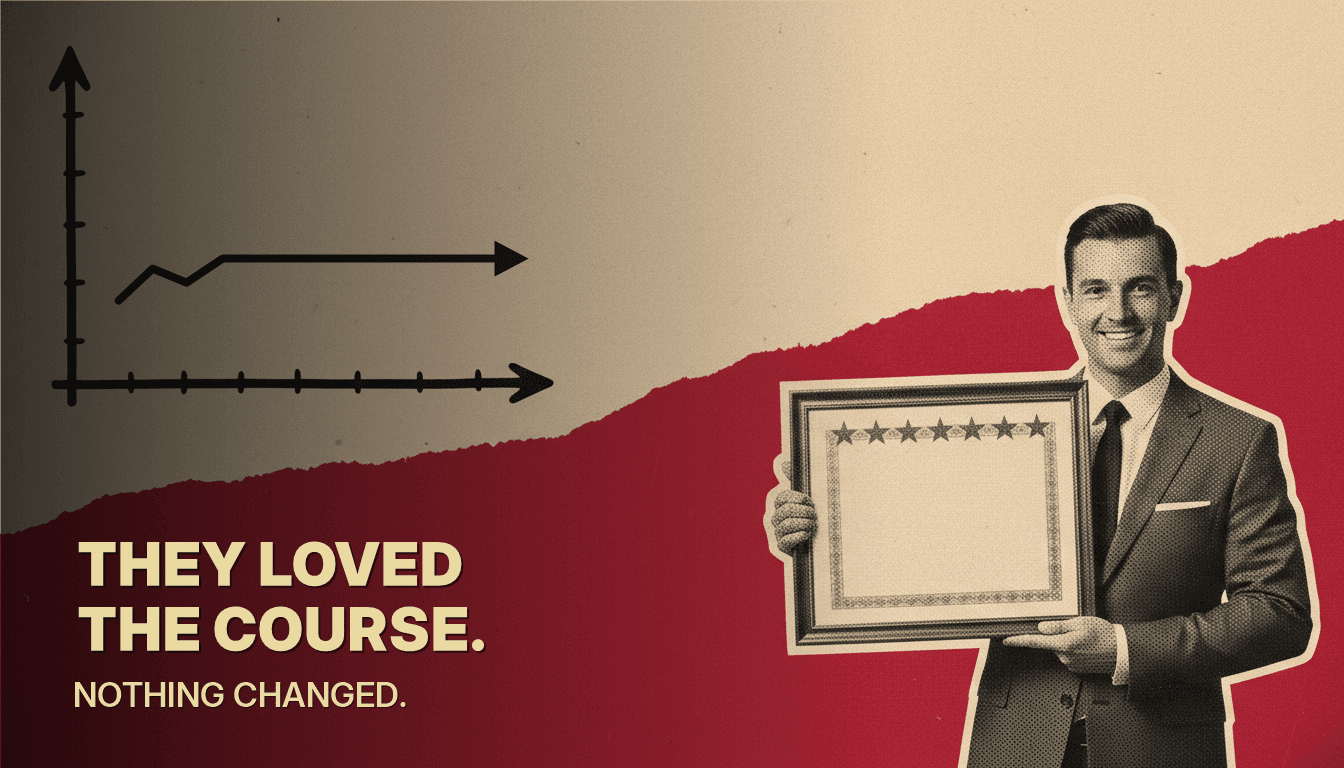

Plenty of sales leaders have been here at least once. Results have been flat for a couple of quarters, and when you look at the deals that slipped and the ones that went to a discount, you come to a reasonable conclusion: the team needs to get better at selling. So you find a good programme, get everyone in a room for two days, and the feedback forms come back full of praise.
Six months later the results look much the same, and the usual verdict is that it was the wrong course or the wrong trainer.
Sometimes that’s true. But over 25 years of leading and advising sales teams, I’ve seen a different explanation come up again and again. The training was fine. Nobody had worked out what the problem was before they booked it.
Training can only fix one of the four reasons people don’t change
When someone in your team isn’t doing what you need, there are four possible reasons, and from the outside they all look the same.
- They can’t. They’ve never learned how, or haven’t done it often enough to manage it under pressure.
- They won’t. They know how, but what drives them points somewhere else.
- They don’t believe it. They doubt it will work with their customers, or doubt they can pull it off, so they never try it in front of a buyer.
- Something stops them. The commission plan, a target, or the way their manager runs the week pulls them back to the old way.
Take a seller who discounts too early. They might not know how to show a buyer what waiting will cost. They might be paid on volume, so a smaller deal this month suits them better than a bigger one next quarter. They might have come to believe, after a few bruising losses, that buyers in your market only care about price. Or their manager might be pushing for the deal to be signed by Friday.
That’s one habit with four different causes, and training only reaches the first.
If you skip finding out which one you’re dealing with, three things can go wrong.
1. You treat what you can see, not the true cause
“The team isn’t consultative enough” describes what you think you’re seeing. I’ve written development plans based on my own impressions of people and at the time it feels informed. But an impression doesn’t always tell you whether someone can’t, won’t, doesn’t believe or is being held back by external factors. If the issue is anything other than can’t, you can send them on the best course available and they’ll go back to doing exactly what they did before.
2. The budget goes to people who didn’t need it
Even where the problem is a skill issue, it’s rare that the whole team face the same challenge at the same time. One seller might struggle to get in front of the budget holder, another gets there and then can’t build a compelling case they’d approve. A team-wide course is designed for a typical seller so your strongest people sit through two days on things they do every week, while the people who need help most get an hour or two on the thing holding them back. Most of your budget is wasted fixing the wrong thing.
3. You can’t show it worked, and the next attempt gets harder
If you didn’t know what each person could do before the training, you can’t say what changed afterwards. In my experience training is one of the first budgets questioned when money gets tight, and “the feedback was good” won’t protect it.
It also makes your next attempt to implement changes harder. Gartner found that the average employee went through ten planned changes at work in 2022 alone, such as a restructure, a new system or a new way of working, up from two in 2016. Over the same period, the share willing to support those changes fell from 74% to 43%. Your team has seen initiatives come and go, and each one that doesn’t stick teaches them a little more firmly to wait the next one out.
Find out which problem you have before you spend
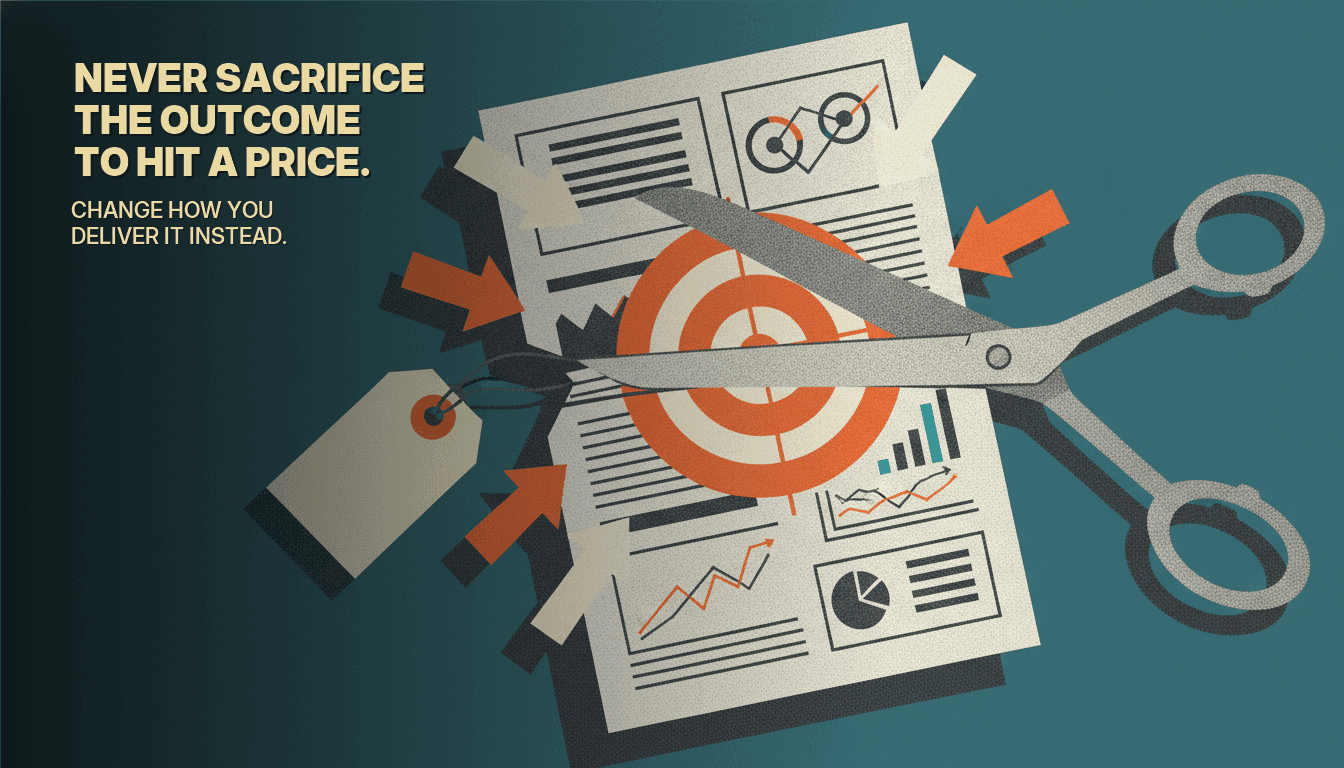
None of this is an argument against training per se. When the problems relate to a skill, it can be the right investment. The point is to know the specific skills you want to develop before you invest in the wrong solution, and to know who it’s for.
That’s what the MyAcumen Team Diagnostic is built to show you. The core and role skills assessments show where someone can’t yet do what the job needs. Motivator shows what drives each person, so you can tell the people who won’t from the people who can’t, and the assessment flags the beliefs that may be holding someone back. It won’t audit your commission plan, but when someone has the skill and the drive and the behaviour still isn’t there, that tells you to look at what’s around them. And because everyone is measured the same way, you have a starting point to measure against later.
It’s affordable and likely to be less costly than the programme you’re thinking of booking, and a great deal less than two courses, because the first one didn’t solve the issue.
If you want a quicker first look, the free Team Scorecard takes about four minutes and points you at where the gaps most likely are.