
Take on a new sales team and three jobs tend to land on you at once. Build trust with people who did not choose you. Set the tone forTake on a new sales team and three jobs tend to land on you at once. Build trust with people who did not choose you. Set the tone for how the team works. And work out what each individual is capable of.
The first two usually get attention straight away, because they have to. You cannot lead people who do not trust you, and you cannot hold a culture together if you do not set the tone early. The third job, forming an honest view of what each person can and cannot do, tends to slide. Not because leaders duck it, but because it takes time that week one rarely gives you.
Here is the catch. You are forming that view anyway, whether you plan to or not. By the first pipeline call, you are probably already sorting people in your head into strong, average and problem. And with nothing else in front of you, you sort them on the two things that are easiest to reach: who is hitting target, and who you get on with. Both of those can mislead you, and new leaders are the most exposed to them.
Results matter. They are just not the whole story.
Let me be clear about results first, because I have spent 35 years in B2B sales and I am not about to tell you they do not count. Results are never an afterthought in this job. They pay the wages, they keep the lights on, and a leader who treats them as secondary will not last long enough to develop anybody.
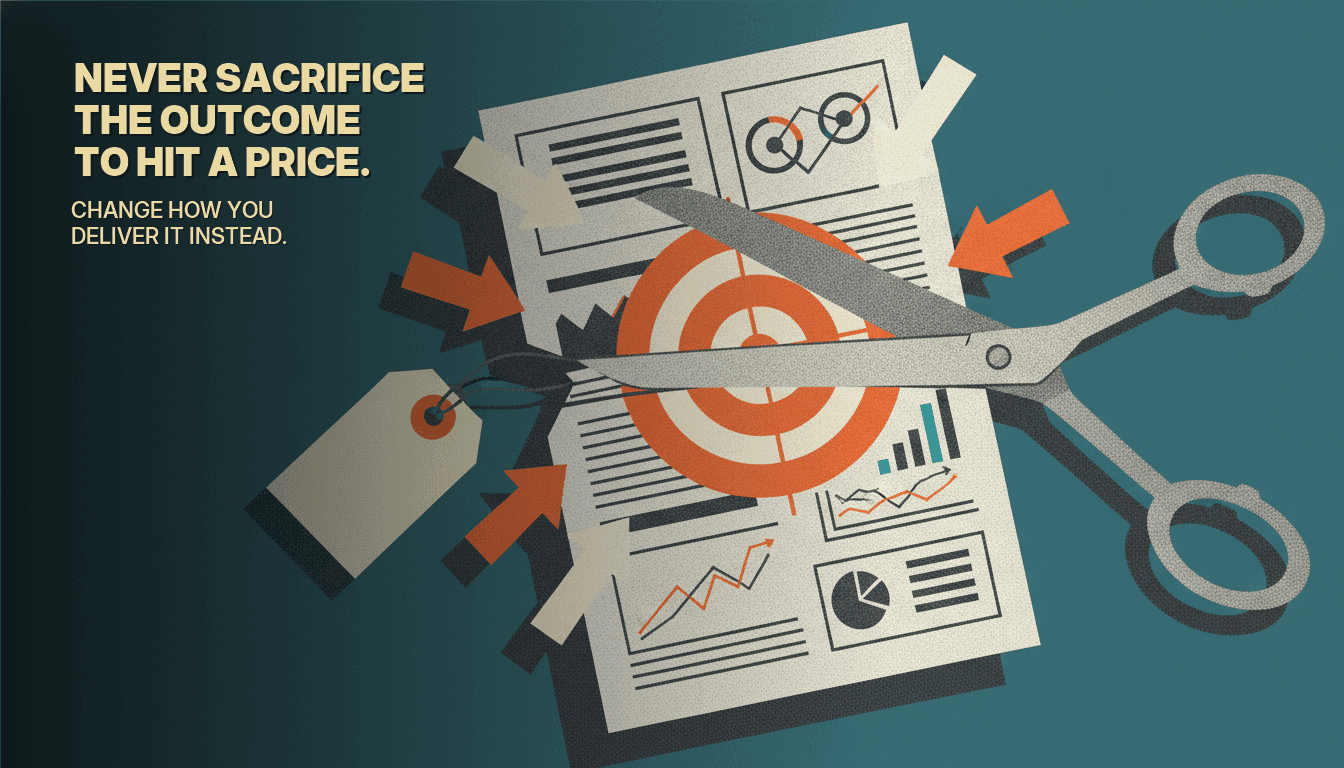
The trouble starts when results become the only lens you look through. A seller who delivers every quarter looks, on paper, like your strongest asset. But a result tells you what happened. It does not tell you how it happened, and it does not tell you whether it will happen again when the market turns or the easy accounts run out.
In 25 years leading and consulting sales teams, I have watched this play out again and again. The top biller tends to get treated as the template: the one who should coach the others, the profile you hire against, the approach everyone is told to copy. Sometimes that is right. Often it is not. Their performance might rest on one strong relationship built long before you arrived, a territory handed to them by the last manager, or a style that clicks with one type of buyer and falls flat with the rest. Very little of that transfers to anybody else, and it rarely survives a bad quarter.
So ask yourself, about your best performer: do I know why they win? If the honest answer is no, you do not have a read on their capability. You have a spreadsheet.
When strong results come at everyone else’s expense
There is a harder version of this problem, and most leaders meet it sooner or later. Some sellers deliver in a way that damages the people around them. They sit on leads. They talk over colleagues in the team meeting. They win, and the rest of the team watches that behaviour get rewarded and draws the obvious conclusion about what their new leader values. Whatever your culture slide says, that is the moment your culture gets decided.
I understand the temptation to let it go, especially when you are new and the forecast is tight. But a strong performer whose behaviour corrodes the team is not an exception to the culture, they are a problem inside it. The cost of one high performer can be three other people who stop trying, and that cost rarely shows up on the report you are being judged on. Which is exactly why it is so easy to miss.
The likeability trap
The second one is harder to spot, because it rarely feels like a judgement. It feels like instinct. You warm to some people faster than others. That is human, and there is nothing wrong with it.
But rapport tells you close to nothing about capability. Some of the sharpest commercial minds I have assessed are quiet, a little awkward in a group, the last people to fill a room with energy. Some of the most likeable people I have worked with have serious gaps in how they run discovery, handle a senior stakeholder, or build a business case for change. If warmth becomes your unspoken scorecard, your view of the team gets shaped by personality, and the capable introvert on your team pays for it.
Diagnosis is a long game, and that is fine
None of this gets solved by Friday, and it should not be expected to. Building an accurate picture of a team, what people can do, what drives them, how they land on a customer, is a long-term investment. It starts on day one and it is nowhere near finished by day thirty.
What changes the outcome is what you reach for while that picture is forming:
- honest 360 input from the people who see them work, not just your own impressions
- a clear view of what motivates each individual, which is rarely what motivates you
- an objective read on their capability against what the role demands now, rather than what it demanded five years ago
Reach for those, and the picture sharpens fast, and you stop leaning on the last manager’s opinions and your own first impressions. Reach only for results and gut feel, and your view of the team gets set by whoever performs loudest this quarter, and it can harden into a fixed opinion long before it has earned the right to.
What to do this week
You do not need a finished view of your team by Friday. You need to notice what evidence you are using right now.
Take one person and write down what your opinion of them is built on. Is it what they deliver, how they deliver it, and what you have seen with your own eyes? Or is it last quarter’s figures and how much you enjoy talking to them?
If it is the second, you are where most of us start. The difference is whether you build past it on purpose, or let a first impression become the permanent one.
A MyAcumen Team Diagnostic gives you an honest, evidence-based view of what your team can do, built from more than results and gut feel.