
Most sales methodology rollouts are not botched. They’re planned properly, by people who know what they’re doing, and they still change very little. That’s the part that stings.
You’ll recognise the plan, because it’s a sensible one. Pick the methodology, whether that’s MEDDICC, Challenger, SPIN or something built in house from the best of what has worked before. Get the executive team behind it. Then comes the real work. You map it onto your sales stages and rebuild the CRM so the fields, the exit criteria and the reports all follow the new language. You write the playbooks and book everyone into a two day workshop. Then there’s a launch with some energy behind it, usually a kick off and a deck from the top.
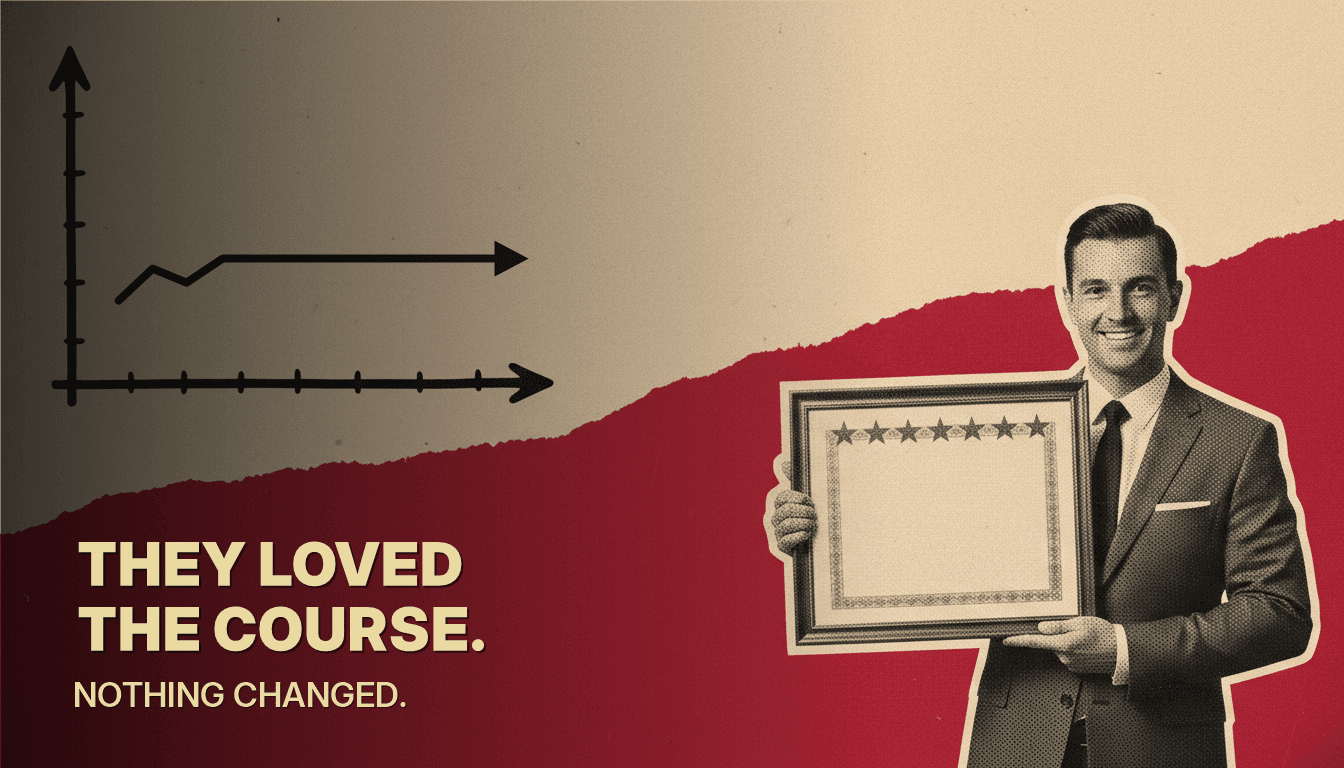
And the two days are good. People engage, they like the trainer, they can see the logic, and by Friday afternoon they can talk you through the model end to end.
Then everyone goes back to their patch.
The drift back
Six weeks later, deals are being worked the way they were always worked. The new language shows up in the CRM because a deal can’t move stage without it, but the conversation with the customer hasn’t changed at all. Qualification fields get completed on the morning of the pipeline review. Some people never really started. Others tried it on a couple of deals, found it slower, and went back to what they knew because they had a quarter to deliver.
Nobody rebels. There’s no meeting where the team decides to reject it. It just fades.
The research on training is consistent and fairly brutal here. Without reinforcement, most of what people learn on a course is gone inside a month, somewhere around eighty per cent of it. So the two days weren’t wasted because the training was poor. They were wasted because nothing that happened afterwards was built to make any of it stick.
There are three reasons it goes this way, and they compound.
The workshop taught the process, not the ability to run it
Methodology training teaches the steps. What each stage means, what qualifies a deal, which questions to ask at which point, what goes in which field. That’s the part that’s straightforward to teach and simple to test, so that’s what fills two days.
But a methodology is a set of demands on capability. When the model asks who the economic buyer is, it’s asking something harder. Can your seller get in front of a finance director and hold a conversation about money that person respects? When it asks for a commercial insight, it’s asking whether your seller understands the customer’s business well enough to tell them something they didn’t already know. When it asks for a quantified case for change, it’s asking whether your seller can build one.
Knowing the step doesn’t give anybody the ability to do it. A framework can’t teach a seller how to have a conversation they have never been able to have. What it gives them is a box to leave empty. They can also fill it with something thin, because the deal won’t progress until they put something in there.
So the people who could already do the work carry on doing it, now with better labels on it. The people who couldn’t still can’t. And the methodology settles into being an administrative layer sitting on top of exactly the same selling as before.
Your managers coach from memory rather than from the methodology
Sales managers were in the workshop, and often they got an extra half day on how to coach it. Then they went back to their teams and coached the way they have always coached, which is from their own experience.
That isn’t laziness. It’s the thing they’ve got that they trust. A manager who sold well for a decade carries a store of what worked for them, and under pressure they reach for it. “Here’s what I used to do with a procurement team like that.” It feels generous, and now and again it’s genuinely useful. But it isn’t the methodology you’ve just paid to install, and the seller is left holding two competing versions of how to run the deal.
There’s a harder question underneath this one. Nobody checked whether the managers could coach it. Coaching someone through the building of a business case is a different skill from having built business cases yourself. The two don’t always live in the same person. Managers are rarely assessed against the new model either. So you don’t know which of them is teaching it well, which is teaching a personal variation on it, and which has parked it altogether.
I’ve been the manager doing this. In twenty five years of leading and consulting sales teams, I’ve sat in coaching conversations with a perfectly good framework in front of me. And I taught my own war stories instead, because that’s what came to hand. It doesn’t feel like undermining the rollout at the time. It feels like helping.
The review meetings never changed
Of the three, this is the one that decides whether the methodology survives the first quarter.
Look at what happens in your pipeline reviews, account reviews, territory reviews and deal reviews in the months after launch. In most companies the agenda is the same as it was before. Is the data accurate, is the close date credible, what does the forecast look like, why has that deal slipped again. They’re all fair questions, but every one of them is about the record of the deal rather than the person working it.
If the meeting only ever interrogates the data, your team works out very quickly what the methodology is for. The answer they land on is that it’s for getting through the meeting.
A review that coached would sound different. It would ask things like:
- What have you learned about their business since we last spoke?
- Where is the case for change thin, and why is it thin there?
- Who have you still not met, and what’s getting in the way?
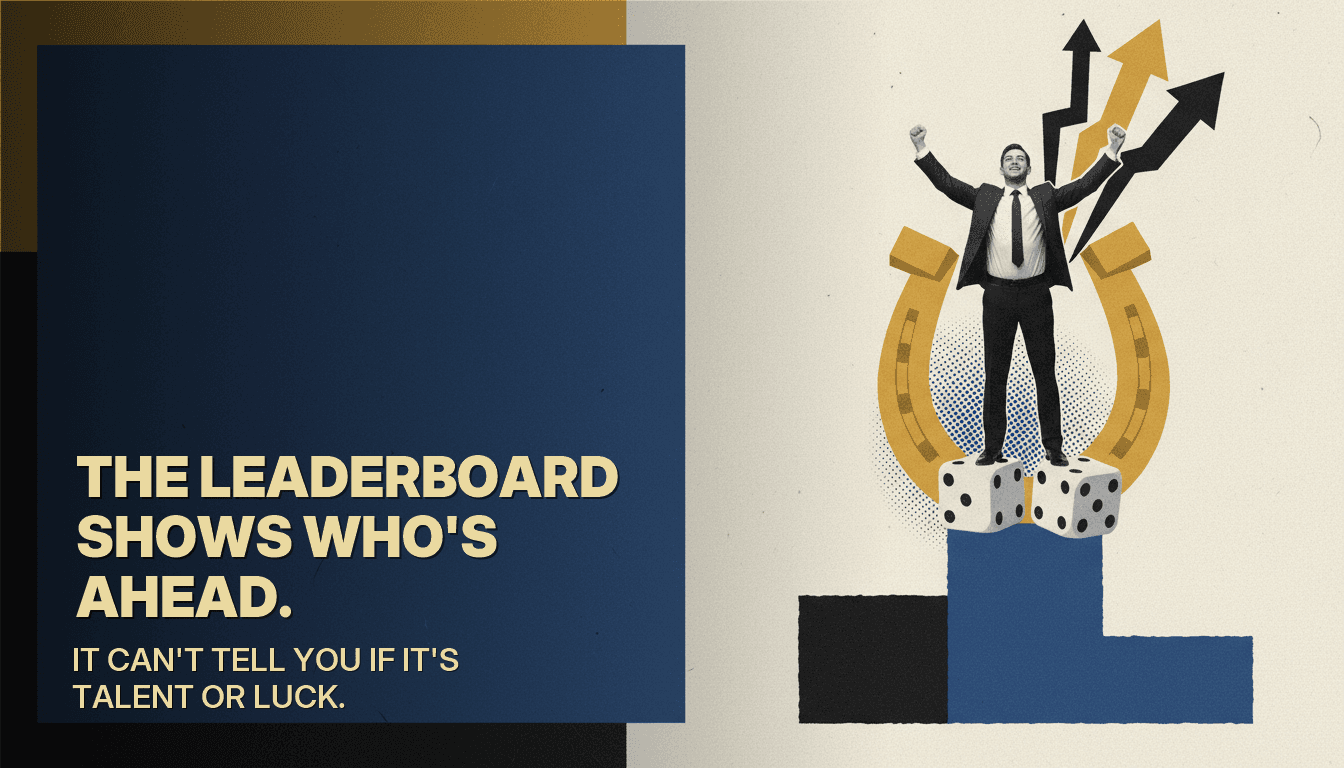
Those are questions about capability, and they’re the ones that would make the methodology real. Most reviews never get near them. The leader hasn’t got an objective read on what the person in front of them can do, so there’s nothing to coach against except the numbers on the screen and their own opinion.
What it cost
Add up what you spent. The licence or the consultancy fee for the methodology, which is often tens of thousands on its own. The CRM build, whether that came from an integration partner or months of your operations team’s time. Two days off the road for everybody, which for a team of fifteen is a serious number of selling hours. The playbooks, the internal comms, the launch. Then leadership time, which nobody ever costs and which is usually the biggest line of the lot.
What you got back is the same selling you had before, in new language.
The second cost is worse, because it lasts longer. Your team has now watched a large change programme come and go without much happening. So the next time you stand in front of them with something new, a good number of them will wait it out. They’ve learned that these things pass. That belief is slow and expensive to shift, and you paid to create it.
Doing it the other way round
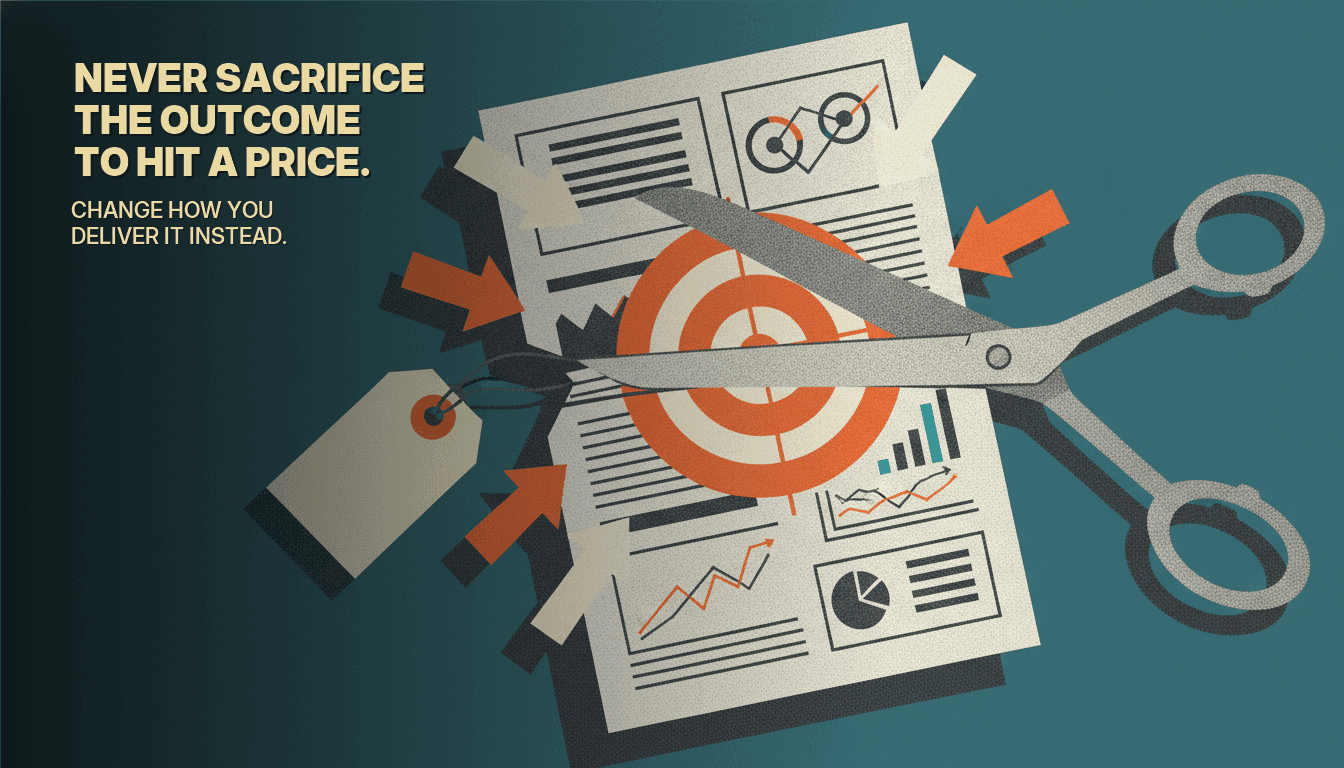
None of this means the methodology was the wrong choice, and it doesn’t mean the training was bad. The sequence was wrong. You defined it, built it and trained it before you knew what your team could already do.
Turn that round. Before you design the rollout, measure the team against the capabilities the methodology is going to demand of them. Not a manager’s rating, not last year’s results, but an honest and consistent read of every person across the same set of capabilities. That’s what the MyAcumen Team Diagnostic is built to give you, and it changes the rollout in four ways.
You design the training around the gaps instead of the syllabus. Say most of the team run discovery well, but only a handful can build a case a finance director would sign off. You now know exactly where the two days should go. The people who are already strong don’t sit through a day on something they do every week, which they resent more than leaders realise. And the thing genuinely holding the team back gets the time it deserves.
You find out whether your managers can coach it before you ask them to. Assess the managers alongside their teams. Where a manager is strong, you can lean on them to carry the coaching across their patch and beyond it. Where a manager is thin on the same capability their people are thin on, you’ve found the reason the coaching was going to fail. You can deal with that before launch rather than six months after it.
Your review meetings finally get something to coach against. Once you know a particular seller is strong on discovery and weak on building the commercial case, the deal review changes on its own. You stop asking whether the close date is right. You start asking about the part of the deal you already know is the risk with that person. That’s the point where the methodology stops being data entry and starts being how the team sells.
You can tell whether it worked. Measure again six months on, against the same capabilities, and you have a straight answer about what your investment bought you. Very few sales leaders can answer that question about their last training programme. It’s one of the reasons the development budget gets harder to defend every year.
Where to start
The order matters more than the model you pick. Most of the well known methodologies will work if the people running them can do what the model asks of them. None of them will work if they can’t, and no amount of CRM build will cover that gap.
So before the next rollout, ask a plain question about your own team. Which of these capabilities can each person here already demonstrate? If the best answer available to you is an informed opinion, you’re not implementing a methodology. You’re buying one and hoping.
If you want to know what your team can do before you decide what to train them on, the MyAcumen Team Diagnostic gives you an honest and consistent read on every person in it: https://myacumen.online
Or if you want a quicker place to start, the free Team Scorecard takes about four minutes and points you at where the gaps most likely are.